Acne is a common skin condition that affects millions of people worldwide. While the pimples and blemishes may eventually clear up, they often leave behind a frustrating reminder: acne scars. These scars can be a source of self-consciousness and may take time to fade. If you’re wondering how long it takes for acne scars to fade, the answer isn’t straightforward. The timeline depends on several factors, including the type of scar, your skin type, and the treatments you use. Let’s dive deeper into acne scarring treatment.
Understanding Acne Scars
Before discussing how long it takes for acne scars to fade, it’s important to understand what acne scars are and how they form. Acne scars are the result of inflammation caused by acne. When the skin is damaged, the body produces collagen to repair the tissue. However, if too much or too little collagen is produced, it can lead to scarring.
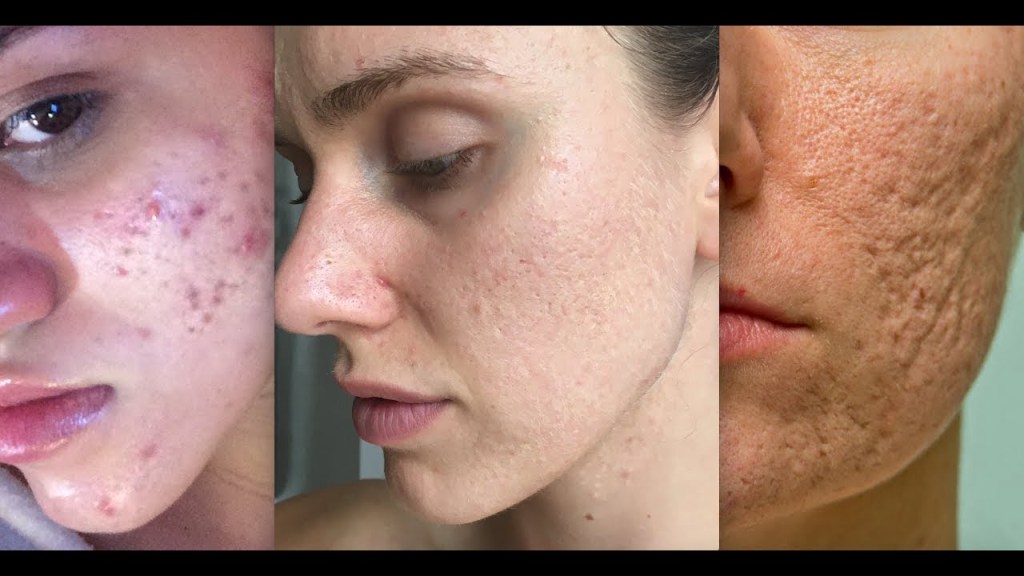
There are two main types of acne scars: atrophic and hypertrophic. Atrophic scars are depressed or sunken scars that form when the skin doesn’t produce enough collagen during healing. These include ice pick, boxcar, and rolling scars. On the other hand, hypertrophic scars are raised and occur when the skin produces too much collagen.
Factors That Influence How Long Acne Scars Take to Fade
The time it takes for acne scars to fade varies from person to person. Here are some key factors that influence the healing process:
1. Type of Scar
The type of acne scar plays a significant role in determining how long it will take to fade. Atrophic scars, such as ice pick or boxcar scars, tend to be more stubborn and may take longer to improve compared to hypertrophic scars. Hyperpigmentation (dark spots left after acne) typically fades faster than actual textured scars.
2. Skin Type
Your skin type can also affect the healing process. People with lighter skin tones may notice that their scars fade more quickly, while those with darker skin tones may experience post-inflammatory hyperpigmentation, which can take months to fade. Additionally, oily or acne-prone skin may require more time and care to prevent new breakouts that could worsen scarring.
3. Severity of Scarring
The depth and severity of the scars also matter. Mild scarring may fade within a few months, while deeper or more severe scars can take years to improve without treatment.
4. Treatment Methods
The treatments you use can significantly impact how quickly your acne scars fade. Over-the-counter products, professional treatments, and home remedies all play a role in the healing process.
How Long Does It Take for Acne Scars to Fade Naturally?
If left untreated, acne scars can take anywhere from a few months to several years to fade. Mild hyperpigmentation may lighten within 3 to 6 months, while deeper scars may persist for years. However, natural fading is often incomplete, and some scars may remain visible without intervention.
Can You Speed Up the Process?
While patience is key when dealing with acne scars, there are several ways to speed up the fading process and improve the appearance of your skin.
1. Over-the-Counter Products
There are many over-the-counter products designed to help fade acne scars. Ingredients like retinoids, alpha hydroxy acids (AHAs), and vitamin C can promote cell turnover, reduce pigmentation, and improve skin texture. Consistent use of these products can show results within a few weeks to months.
2. Professional Treatments
For more severe scarring, professional treatments may be necessary. Options include:
- Chemical Peels: These remove the top layer of skin, encouraging new skin growth and reducing the appearance of scars.
- Microneedling: This procedure stimulates collagen production by creating tiny punctures in the skin.
- Laser Therapy: Lasers can target scar tissue and promote healing, often showing results within a few sessions.
- Dermal Fillers: These can be used to fill in depressed scars, providing immediate improvement.
Professional treatments can yield noticeable results within weeks to months, depending on the method and the severity of the scars.
3. Home Remedies
Some people opt for natural remedies to fade acne scars. Ingredients like aloe vera, honey, and lemon juice are believed to have skin-healing properties. While these methods may help, they are generally less effective than medical treatments and may take longer to show results.
4. Sun Protection
Protecting your skin from the sun is crucial when trying to fade acne scars. UV exposure can darken scars and slow down the healing process. Always wear sunscreen with at least SPF 30, even on cloudy days.
When to See a Dermatologist
If your acne scars are severe or not improving with over-the-counter treatments, it’s a good idea to consult a dermatologist. They can recommend personalized treatments and help you achieve the best possible results.
Final Thoughts
The time it takes for acne scars to fade depends on various factors, including the type of scar, your skin type, and the treatments you use. While mild scars may fade within a few months, deeper scars can take years to improve. Fortunately, there are many treatments available to speed up the process and improve the appearance of your skin. With patience and the right approach, you can achieve smoother, clearer skin over time.
 Healthy Glow Guide